Residential propinquity as a mediator of ethnic assortative mating

Propinquity—the tendency to form social bonds with those who live nearby—is a key mechanism through which ethnic segregation can give rise to ethnic endogamy—the formation of romantic unions between partners with the same ethnic group membership(s). In this paper, co-authored with Jesper Lindmarker, we use discrete choice models applied to Swedish register data to quantify …

Assortative mating, residential choice, and ethnic segregation

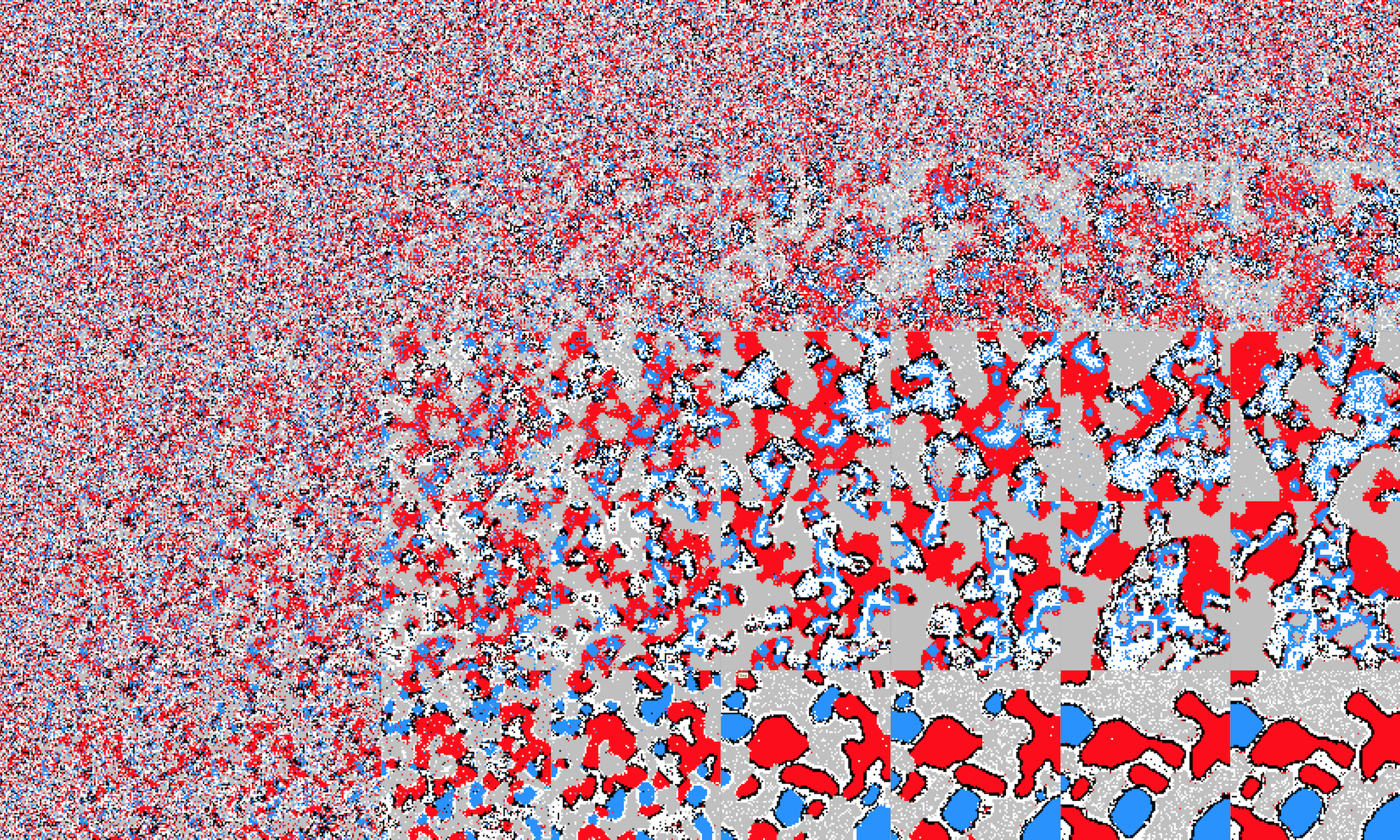
Where single people live shapes opportunities to meet romantic partners of different backgrounds. Residential segregation along ethnic lines imposes constraints on these opportunities, increasing the chances that the potential partners people meet will share their own ethnic backgrounds, and reducing the chances of making contact across group boundaries. At the same time, who people marry …

Estimating Multinomial Logit Models with Samples of Alternatives

This paper re-examines the appropriate procedures to employ when sampling unchosen alternatives when estimating multinomial (aka conditional) logistic regression models. I show that recent advice presented in Sociological Methodology (SM) deviates from the econometric literature. I use data from the Multi-City Study of Urban Inequality to demonstrate that the original econometric advice is sound, and that …

Frontier Land, Migration and Intragenerational Mobility among American Men, 1870-1880

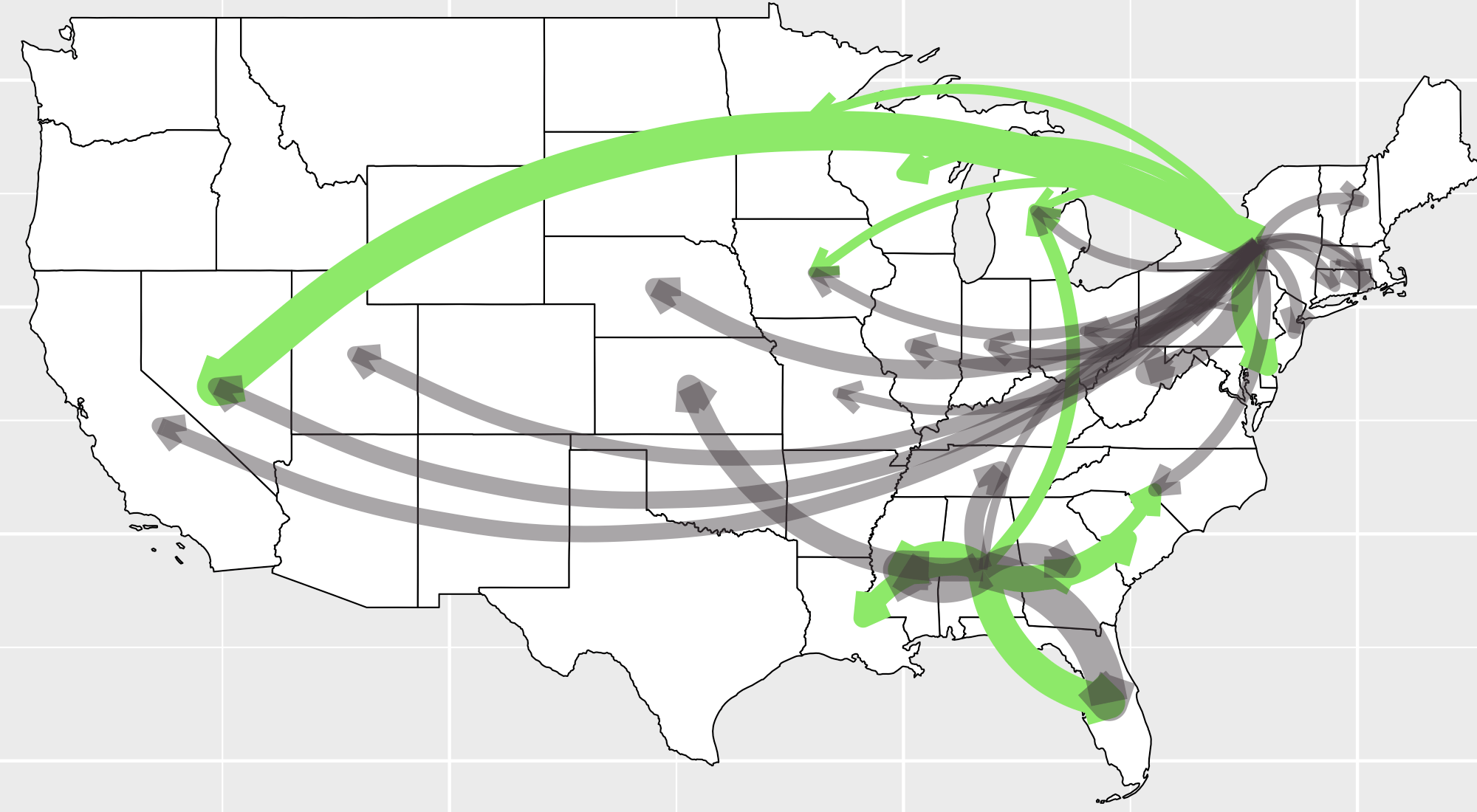
This project examines how the intragenerational social mobility of American men between the farm and non-farm sectors during the 19th century was conditioned by the spatial distribution of economic opportunities. The main thesis of the project is that unsettled agricultural land, particularly in the Midwest, created opportunities for mobility into farming, but these social transitions …

Kinship Effects on Residential Mobility and Ancestry Segregation in Sweden

My coauthor, Guilherme Chihaya, and I examine the links between residential segregation, residential mobility, and the spatial distribution of kin in Stockholm. Residential segregation between native Swedes and new immigrants is established when immigrants first settle in Sweden. This creates disparities in the spatial distribution of kin for immigrant children compared to native Swedes. Using a …

Impact of ancestry categorisations on residential segregation measures using Swedish register data

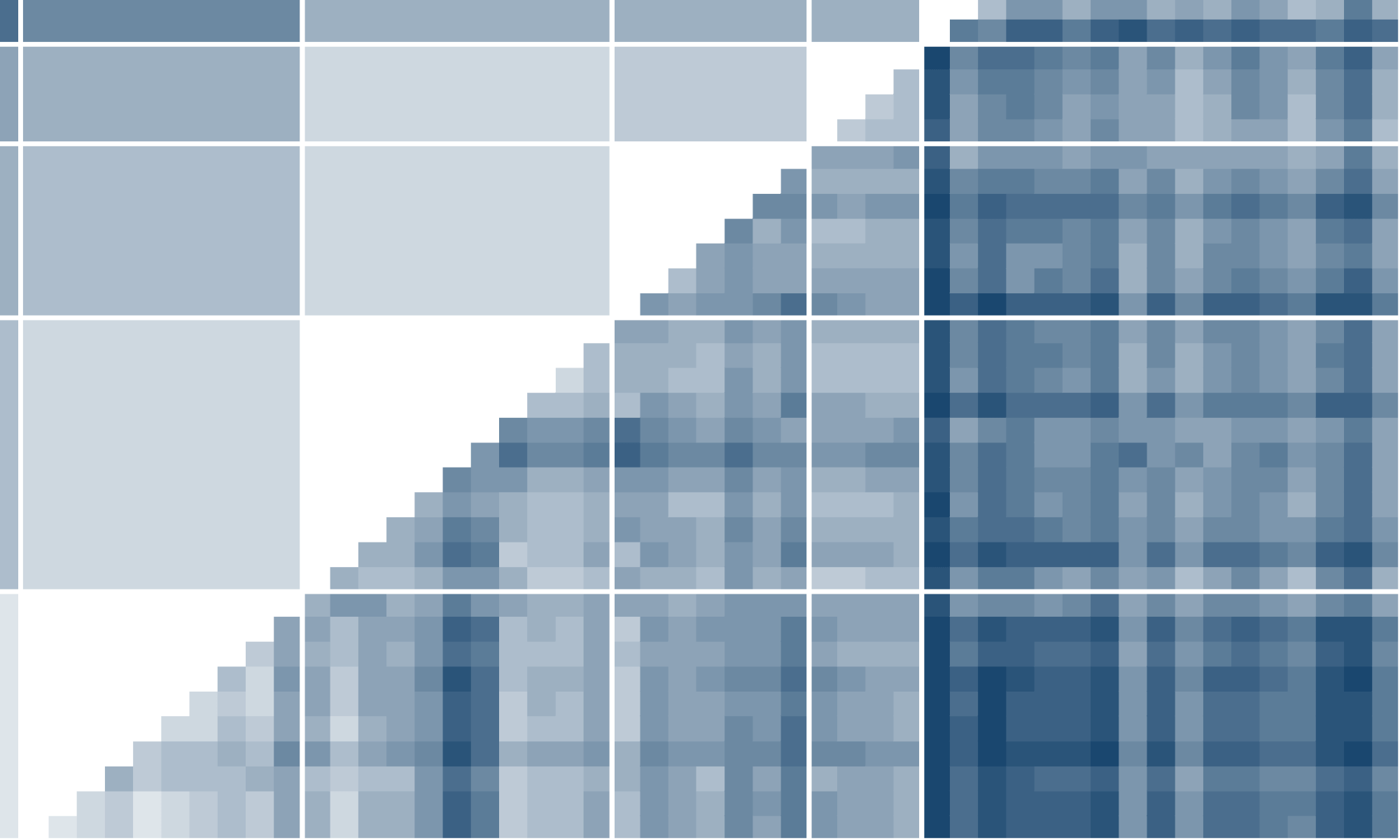
Country-of-birth data contained in registers are often aggregated to create broad ancestry group categories. Along with my coauthors, Sarah Valdez and Juta Kawalerowicz, I examine how measures of residential segregation vary according to levels of aggregation. We use Swedish register data to calculate pairwise dissimilarity indices from 1990 to 2012 for ancestry groups defined at four …

Rising Intragenerational Occupational Mobility in the United States 1969-2011

My coauthor, Xi Song, and I use the PSID to show that levels of intragenerational occupational mobility, assessed using two-year mobility intervals, have been increasing during the latter half of the 20th century and into the 21st century. We examine mobility at multiple levels of occupational aggregation, and find that mobility is increasing at nearly …