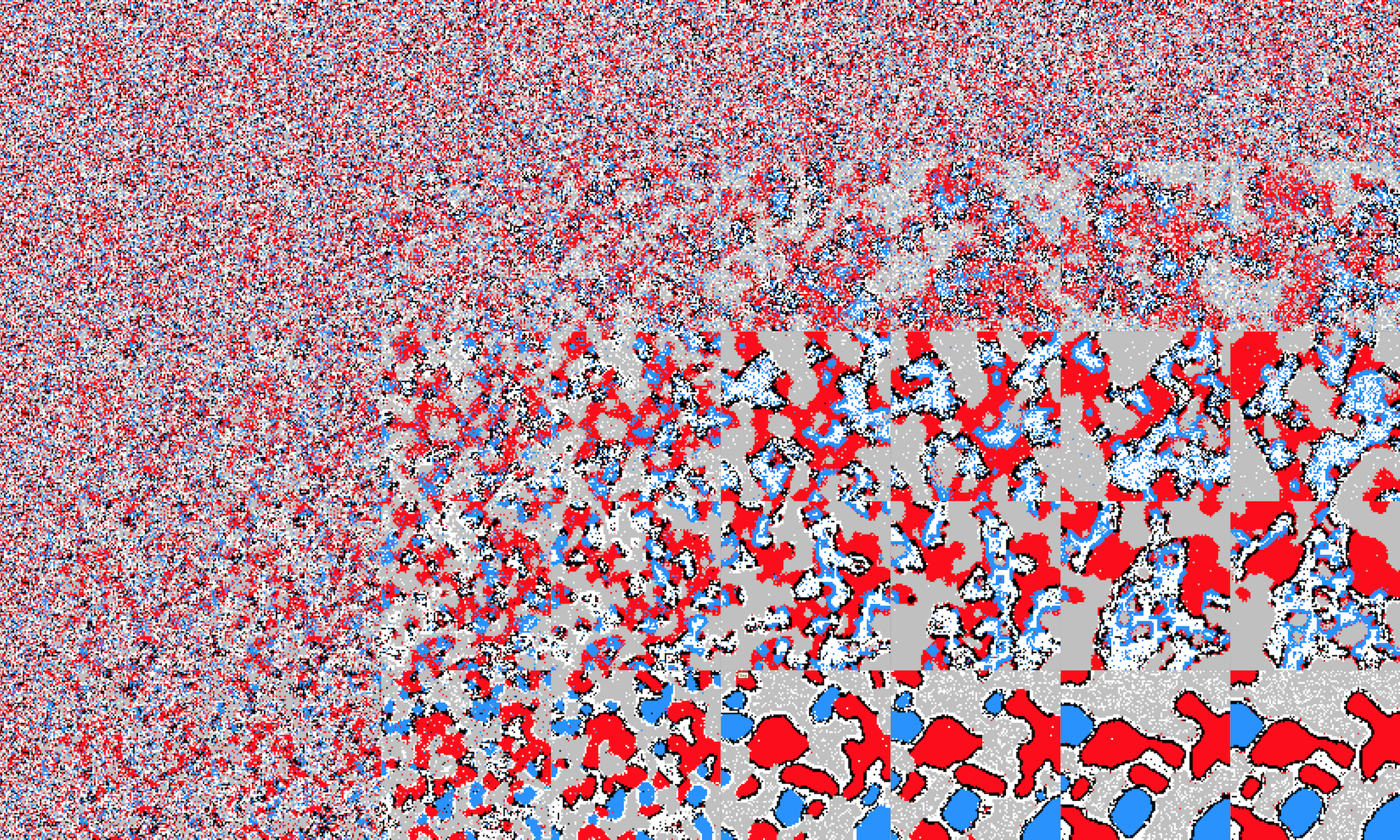

My coauthor, Guilherme Chihaya, and I examine the links between residential segregation, residential mobility, and the spatial distribution of kin in Stockholm. Residential segregation between native Swedes and new immigrants is established when immigrants first settle in Sweden. This creates disparities in the spatial distribution of kin for immigrant children compared to native Swedes. Using a mix of discrete choice models and counterfactual simulations, we find that migration to maintain close proximity to kin accounts for 40-70% of the variation in segregation experienced by the children of immigrants, but relatively little for those of Swedish ancestry. [Abstract]
 Benjamin Fletcher Jarvis